The following is a copy of my notes for a “Tango Tips” musicality interlude at the Toca Tango Practilonga in Auckland on 8 March 2026
Today’s tip is about stepping to the three most common vals rhythms that experienced milongueros choose to step to when dancing vals tandas at milongas.
Vals music for social tango dancing is nearly always played with continuous streams of walking pace beats.
Between each pair of walking pace beats are nearly always two evenly spaced interim beats, that can vary in strength (from accented to silent).
Consequently musicality can be expressed by varying the dance steps between each walking pace beat, ideally to match how the accents of the music vary.
Depending on the music the most common dance steps are 1 * *, 1 * * , or 1 * 3 , 1 * 3 , or 1 2 * , 1 2 *, (where * signifies no step)
1 * * IS THE MOST COMMON VALS STEPPING RHYTHM
Step only on the ONES.
This is nearly always musical.
1 * 3 IS THE SECOND-MOST COMMON VALS STEPPING RHTHYM
Step on the THREEs before some of the ONEs.
This is nearly always musical when:
– the THREEs are more prominent in the section of music than are the TWOs, or
– when an interim beat is stepped during a giro, rock-step, ocho cortada, resolution, etc
1 2 * IS THE THIRD-MOST COMMON VALS STEPPING RHTHYM
Step on the TWOs following some of the ONEs.
This is nearly always musical when the TWO is more prominent in the music than is the THREE
*************************************
The 1930 recording of “Con Tu Mirar” by the Canaro Orquesta with Charlo on vocals, has clear 1-2 rhythms in the first and final instrumental sections of the song, as well as in the first vocal section.
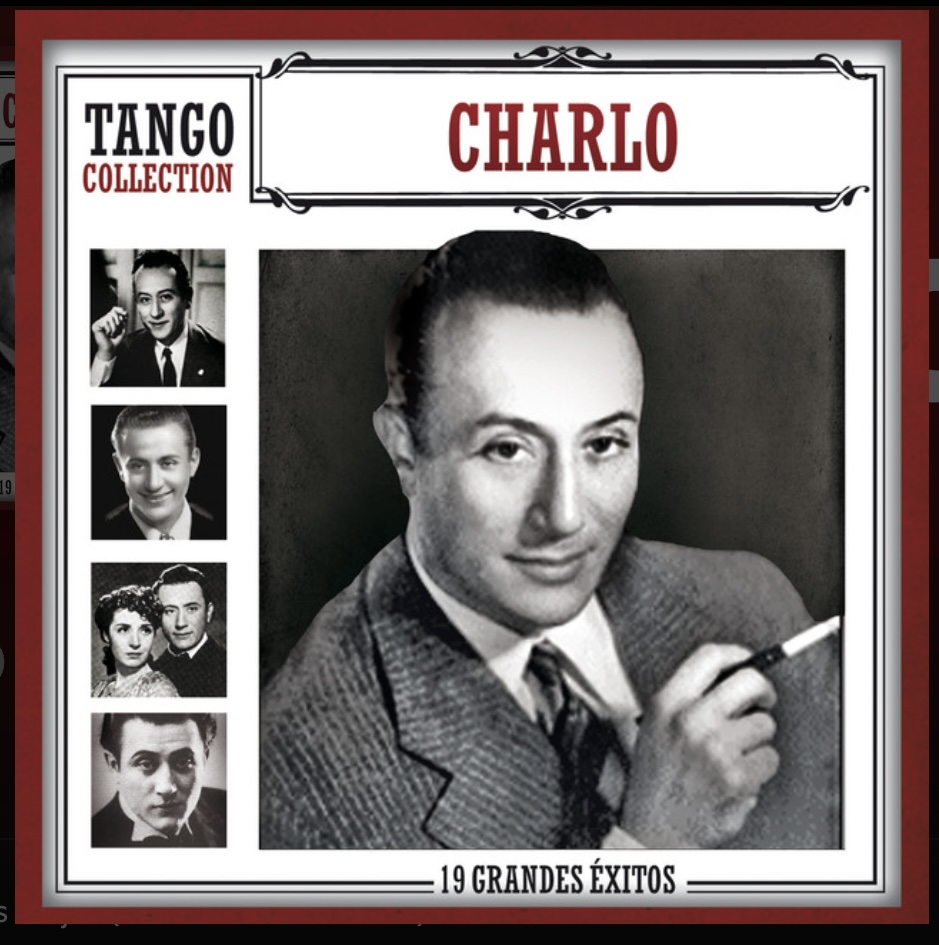
The tanda I will now play which includes “El Viejo Vals” and “Alla en el monte”, also recorded between 1929 and 1931 by the Canaro Orquesta with Charlo on vocals. The contrasts in rhythm through “Con Tu Mirar” as well as with those of the other two valses are apparent.
Stu 8 March 2025